






The headline
The classic four-day Inca Trail
To walk to Machu Picchu, rather than ride to it, is to arrive the way the Inca did, on foot, through the Sun Gate, at dawn. The classic trail and its great alternatives, walked in real comfort.
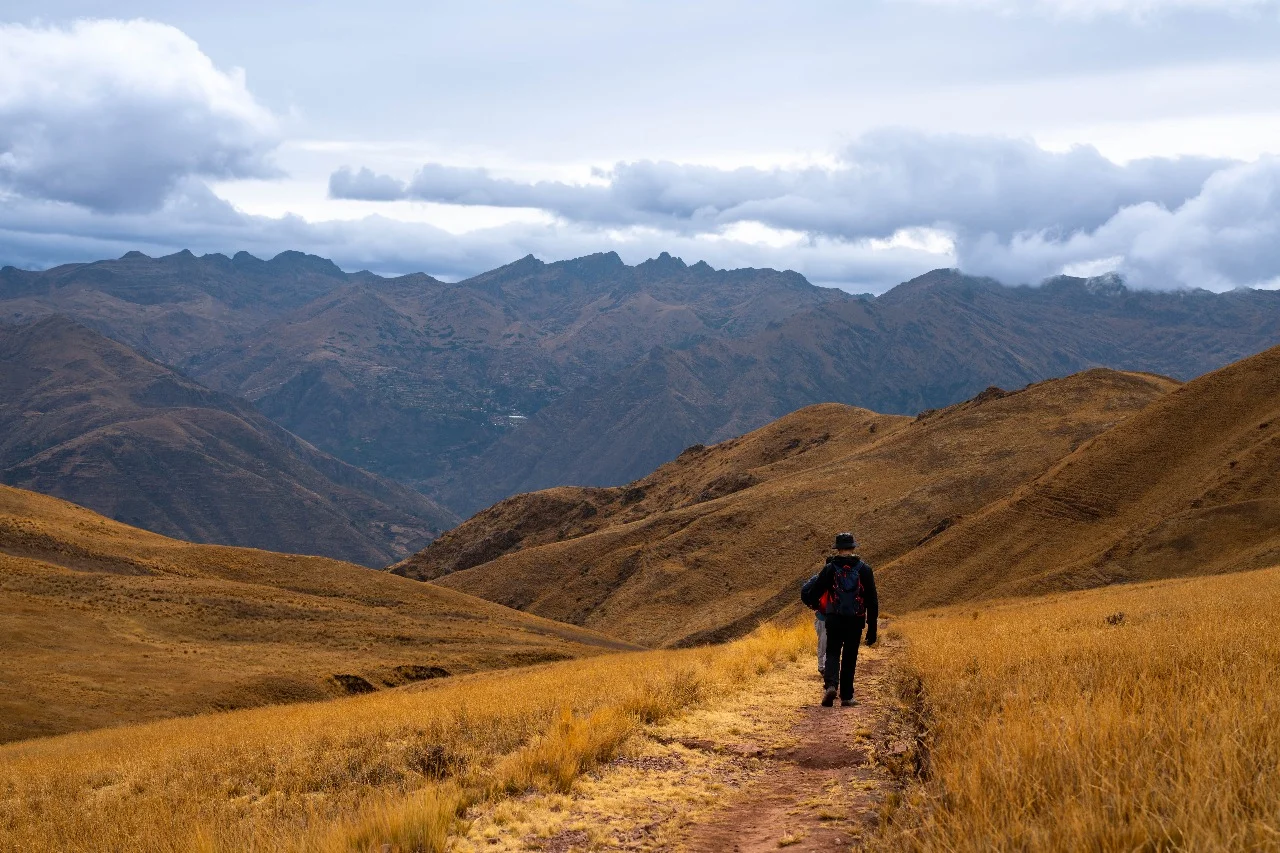
You can take the train to Machu Picchu, and most people do. But there is another way, older and far more moving: to walk in over the original Inca roads, climbing through cloud forest and high passes, past ruins few ever see, and to come over the final rise at the Sun Gate just as the morning light reaches the citadel below. Arriving on foot, after days of effort, changes what Machu Picchu means.
The classic Inca Trail is the famous route, but it is far from the only one, and it is not always the best one for everyone. There is the dramatic Salkantay, the cultural Lares, and gentler and wilder options besides. What they share, in our hands, is real comfort along the way and the kind of planning, permits secured the moment they open, that the trail rewards. This is the guide to walking to Machu Picchu well.
From the storied Inca Trail to its quieter, wilder cousins, each with its own character.
Four days over original Inca stone, across Dead Woman's Pass at over four thousand meters, ending at the Sun Gate. The most storied trek on the continent.
Inti Punku, the high notch in the ridge where the trail delivers its reward: the first sight of Machu Picchu spread out far below in the early light.
Winay Wayna, Sayacmarca, Phuyupatamarca, exquisite Inca sites strung along the trail, reached by no road and seen only by those who walk.
The great alternative, climbing beneath a glittering snow peak over a high pass, more dramatic and uncapped by permits, with a luxury lodge-to-lodge version.
A gentler, more cultural route through remote weaving villages and hot springs, quiet where the Inca Trail is busy, rich in living Andean life.
Walk-in tents with real beds, a dining tent and a private chef, or sleeping in mountain lodges, so the nights are as fine as the days are hard.
The honest, practical detail for trekking to Machu Picchu.
The classic Inca Trail is a four-day, three-night trek along the original royal road of the Inca, and it is rightly famous. You climb from the Sacred Valley through ever-changing country, over the lung-bursting Dead Woman's Pass at around four thousand two hundred meters, past a string of beautiful ruins that can only be reached on foot, and on the final morning you walk down to the Sun Gate for that first, unforgettable view of Machu Picchu. There is also a short two-day version from a lower trailhead for those with less time, which still finishes through the Sun Gate.
It is the only trek that delivers you to Machu Picchu on the Inca road itself, which is its magic, and the reason its limited permits are so prized.
The Inca Trail is not the only way, and sometimes not the best. When permits are gone, or in February when the trail closes, or simply when you want something different, the alternatives are superb. The Salkantay is the headline among them, a more dramatic, higher route beneath a great snow peak, with no permit cap and a beautiful lodge-to-lodge option. The Lares is gentler and more cultural, winding through weaving communities. And for the truly adventurous there are remote routes like Choquequirao and the high lakes of Ausangate.
These reach Machu Picchu by way of the valley rather than the Sun Gate, which simply means we time a proper, unhurried visit to the citadel the following day.
This is the single most important thing to know. The classic Inca Trail is strictly limited, with a fixed number of permits released each day for trekkers, guides and porters together, and in the dry season they sell out months in advance. To walk it on the dates you want, you generally need to book several months ahead, sometimes more for peak season. We secure permits the moment they are released, which is the difference between walking the trail and missing it.
Two things to plan around. The Inca Trail closes every February for maintenance, so no classic trek runs that month. And since January 2026 the trek permit no longer includes entry to the Machu Picchu citadel itself, which is now a separate ticket. We arrange both together so nothing is left to chance.
The Inca Trail is challenging but achievable for a reasonably fit walker, with the difficulty coming less from distance than from altitude and the steep stone steps, up and down, day after day. The real key is acclimatization: we never start a trek the day you land. We build in time in Cusco and the Sacred Valley first, so your body is ready for the heights before you set off.
If a multi-day trek is more than you want, the short Inca Trail, gentle day hikes, or simply taking the train all reach the same wonder. We match the effort honestly to your fitness, never overselling the toughness or the ease.
The dry season, from roughly May to September, is the prime trekking window, with the clearest skies and firmest trails, and so the most sought-after permits. April and October are good shoulder months. The wet season from November to March brings rain and mud, and February closes the Inca Trail entirely, though alternatives like the Salkantay can still run.
As for comfort, this is where we change the experience entirely. Our treks travel with the finest crews, extra porters so you carry only a daypack, walk-in tents with proper beds, a dining tent and a private chef, or, on certain routes, a string of beautiful lodges to sleep in. You earn the trail by day and are thoroughly looked after by night.
A great trek is won in the planning, the crew and the care, long before the first step.
We book the limited Inca Trail permits the moment they release, the difference between walking it and missing it, and arrange the separate citadel ticket too.
Expert mountain guides who read the history and the landscape, and a strong, well-treated porter team so you carry only a daypack.
Walk-in tents with real beds, a dining tent and a private chef, or lodge-to-lodge sleeping, so the nights match the days.
Never a trek on arrival. We build in time in Cusco and the valley so your body is ready for the altitude before you set off.
“We felt very well taken care of.”
A trek is best wrapped in proper acclimatization and a soft landing afterward. A few good places to start:
Because permits and routes are personal, most treks are best built bespoke. Tell us your dates and fitness, and we will shape it.
Connect with our Cusco travel designers to weave Trekking & the Inca Trail seamlessly into your private Peru itinerary.
Start Your Custom Itinerary