



Reputation
The top dining region in South America
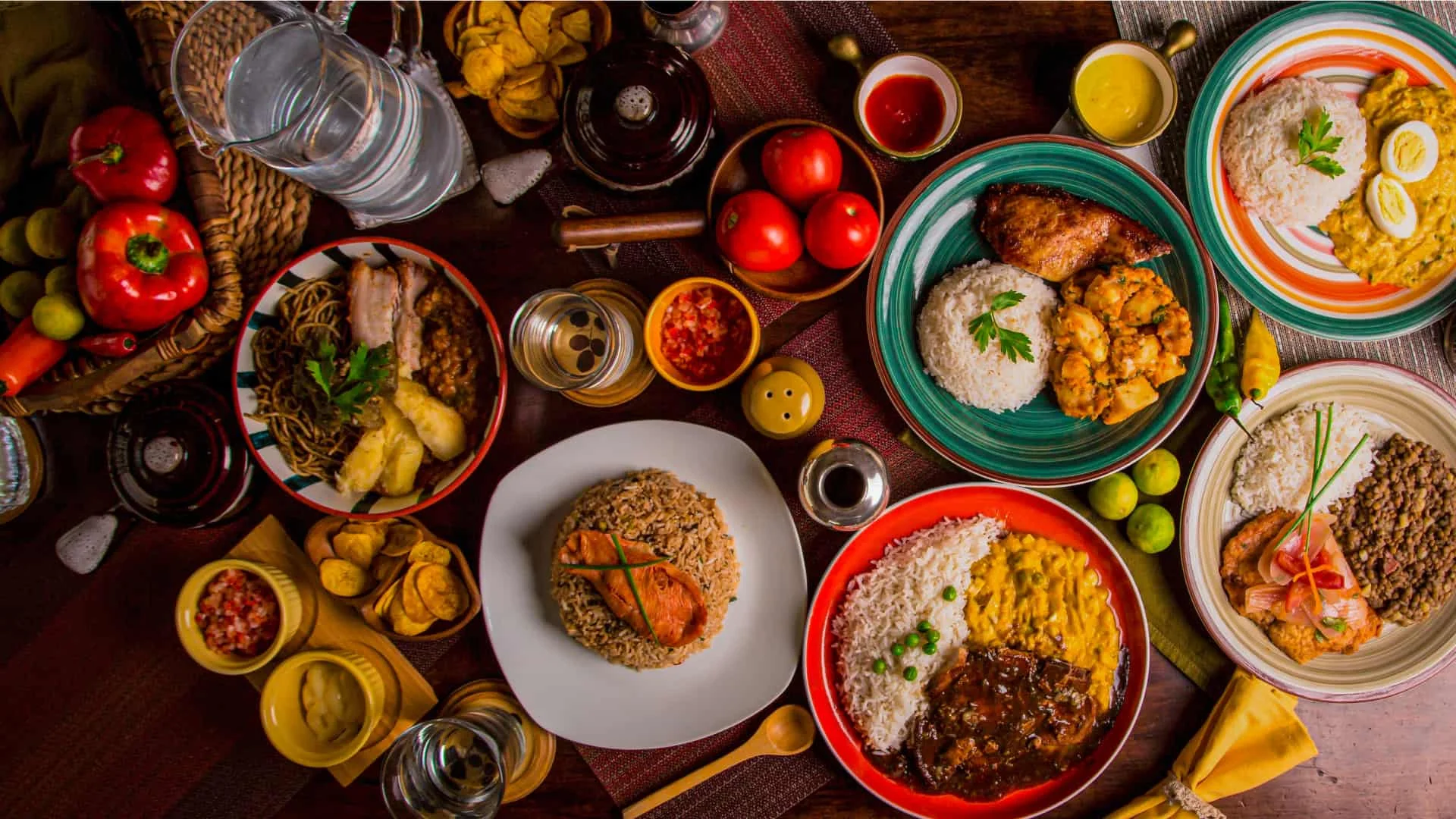
Peru is the finest place to eat in South America, and one of the great food countries on earth. This is the complete guide to a luxury food tour: why, where, the famous tables and how to get a seat at them.
In a single generation, Peru went from a place people passed through to a place people fly in for, and the reason is on the plate. The country now holds several of the world's very best restaurants, the names that top the global lists, and yet the wonder runs from the tasting menu all the way down to the market stall and the surf-side cevicheria. It is, by common consent, the finest place to eat on the continent.
It comes by it honestly. Peru sits between the richest cold-water fishery on earth, a coast of desert valleys, an Andes that grows thousands of varieties of potato, and an Amazon of ingredients still being discovered, and onto that larder it layered waves of Spanish, African, Chinese and Japanese cooking. The result is ceviche, Nikkei, chifa and a hundred regional kitchens. A food journey here is not a side trip; for many travelers it is the whole reason to come, and this is the guide to doing it well.
A handful of things define Peruvian cooking, and a good food trip touches all of them, high and low.
The national dish: raw fish cured in lime and chili, the leche de tigre sharp and bright, drawn from the cold, teeming waters of the Humboldt current.
Peruvian-Japanese fusion, born of Japanese migration, all precision and raw fish and citrus, the cuisine that put Lima on the world stage.
Peruvian-Chinese cooking, the wok and the soy folded into the local larder, giving the country lomo saltado and arroz chaufa.
Thousands of potatoes, ancient grains, giant corn and fierce little chilies, the highland pantry that feeds the whole cuisine.
The national grape spirit and its frothed, lime-bright cocktail, distilled in the desert valleys of the south coast.
Central, Maido and the rest, the dining rooms that regularly top the global lists and turned Lima into a food pilgrimage.
The honest, practical detail for eating your way across Peru.
Three things, really. First, the larder: the cold Humboldt current offshore gives Peru some of the finest fish and shellfish anywhere, the coast and valleys grow everything from giant corn to fierce chilies, the Andes hold thousands of varieties of potato, and the Amazon supplies fruits and fish found nowhere else. Few countries cook from a pantry this deep.
Second, the history: waves of Spanish, African, Chinese and Japanese migration each brought their kitchens and folded them into the local one, which is why Peru gave the world ceviche, Nikkei and chifa, dishes that exist nowhere else. And third, the ambition: a generation of chefs took all of this seriously, built restaurants that now rank among the world's best, and lifted the whole national table with them, from the tasting menu down to the corner cevicheria.
Lima is the capital of it all, the country's culinary heart and the address of its most celebrated restaurants, its markets and its best cevicherias, and the natural anchor of any food trip. But the regions matter just as much. Arequipa has one of Peru's proudest kitchens, the picanterias serving rocoto relleno and rich shrimp chowders. Cusco is a quiet rising food city blending Andean ingredients with modern technique. The Amazon offers paiche and exotic fruits, and the north coast its own celebrated ceviche and duck rice.
The best food journeys spread the eating across the trip, so that the table becomes a thread running through the whole of Peru rather than a single night in Lima. See Lima for the dining capital in detail.
This is the part that needs a head start. Peru's flagship restaurants, Central and Maido among the names that have topped the global fifty best, are extraordinary, and they book out weeks or months in advance. Securing those tables, and the tasting menus and wine or pisco pairings that go with them, is a large part of what we do, well before you arrive.
But the famous rooms are only half the story, and we are careful not to let them become the whole trip. The best food days in Peru mix a landmark tasting menu with the places that never make a list: a beloved cevicheria at lunch, a market stall, a pisco bar at dusk, a family picanteria in Arequipa. We balance the marquee names with the soulful ones.
Eating is only part of it. We arrange private market visits with a chef, wandering the stalls of fruit, fish and herbs before cooking what you have gathered, and ceviche or causa lessons that send you home able to recreate a little of the trip. In the south coast valleys around Ica, the old bodegas open their doors for tastings of pisco and wine at the source, and across the country there are chocolate workshops, coffee farms and the chance to learn the pisco sour from the people who pour it best.
The good news is that Peru eats well all year, so the timing of a food trip is really set by the rest of your plans. If you are pairing the table with Machu Picchu and the Andes, the dry season from May to October gives the clearest mountain weather while the kitchens stay wonderful regardless. Some ingredients are seasonal, certain fish, certain fruits, and we will tell you what is at its best for your dates.
Because food can be woven into any route, a gastronomy journey is rarely just about eating. It is the classic Peru, Lima, Cusco, the Sacred Valley and Machu Picchu, simply led by the plate, with the great meals and the hidden ones built in at every stop.
Anyone can book a famous restaurant. The art is in the balance, and the access.
We secure the seats at the world-ranked dining rooms months ahead, with the right menu and the right pairings, before they sell out.
The cevicherias, market stalls and family picanterias the lists never reach, where some of the best eating in Peru quietly happens.
Private market visits and cooking sessions with real chefs, pisco at the source, and a kitchen or two opened from behind the pass.
The table threaded across Lima, Cusco, Arequipa and beyond, so the food is the spine of the journey, not a single night.
“Amazing country, culture and gastronomy.”
Food can lead a whole trip, or season a classic one. A few good places to start:
Any journey can be turned up for food. Tell us you love to eat, and we will build the trip around it.
Connect with our Cusco travel designers to weave Gastronomy seamlessly into your private Peru itinerary.
Start Your Custom Itinerary