





People come to Peru for the ruins, and leave talking about dinner. It surprises almost everyone. You arrive with Machu Picchu in your head, and somewhere around the second evening in Lima you realize you have wandered into one of the best places on earth to eat, and that the meals are going to be as much a part of the trip as the mountains. The capital is the heart of it, and it is worth giving real time to.
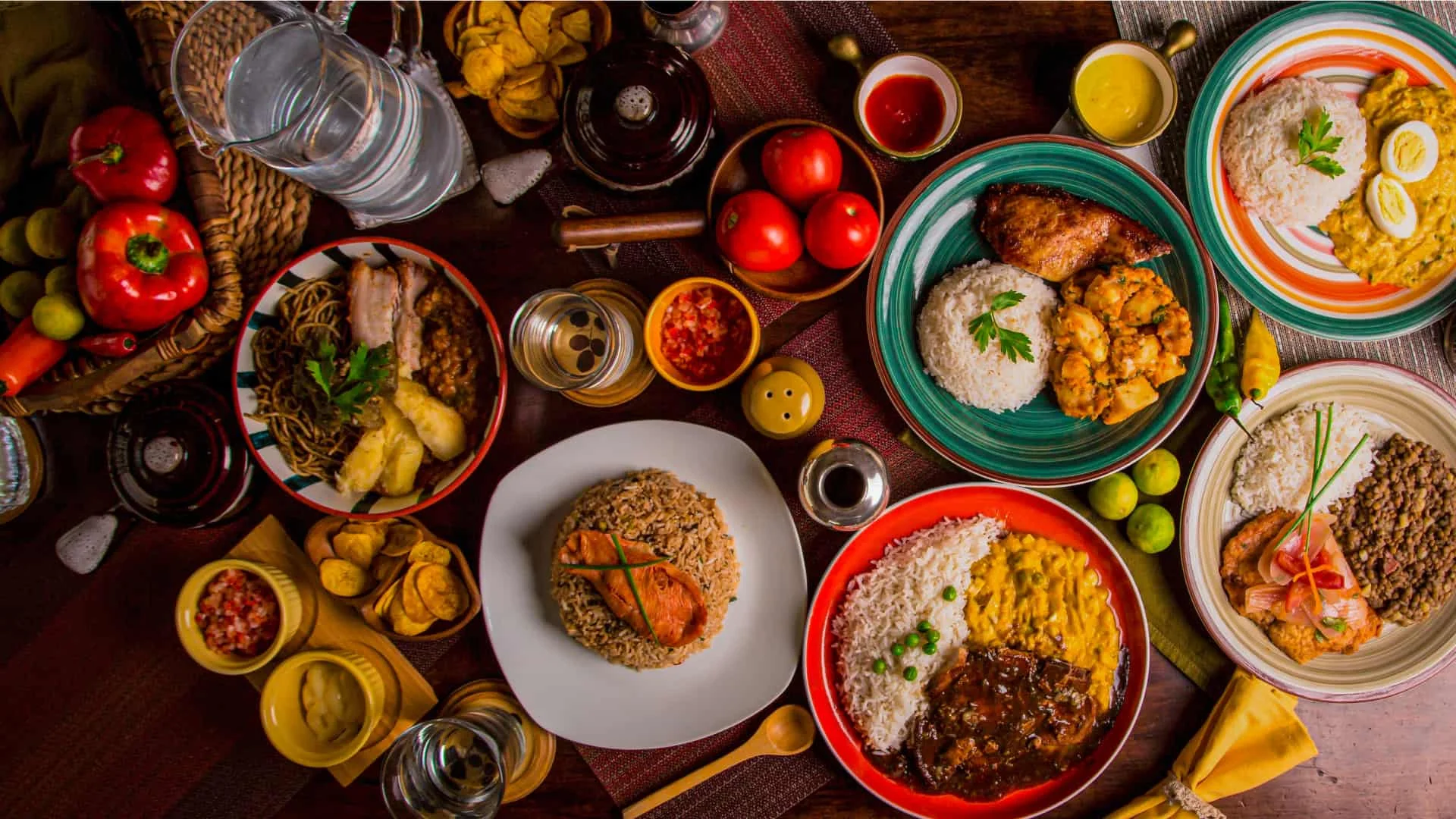
Lima earned the title of gastronomic capital of the Americas honestly. Several of its restaurants sit on the World's 50 Best list in any given year, and one of them has held the very top of it. The food is the way it is because the country is: an old, layered cuisine that folds the indigenous Andes and coast into Spanish, African, Japanese and Chinese hands, and does it with ingredients that exist almost nowhere else. What follows is how we would eat the city, and the country, if we were going with you.
The great tasting tables
Three names anchor the high end, and securing a table at any of them is the single most time-sensitive thing in a Peru trip, which is part of why people book through us. Central, the restaurant of Virgilio Martinez in Barranco, has been named the best in the world, and its tasting menu is unlike any other: a climb through Peru's ecosystems by altitude, each course drawn from a different elevation, from the deep ocean to the high Andes, built on years of the kitchen's own research into ingredients most chefs have never heard of. It is less a meal than an argument about the country, told in plates.
A few minutes away, Maido is the home of Mitsuharu Tsumura and the finest expression of Nikkei, the Japanese-Peruvian cooking born of a century of immigration, where sushi precision meets Amazonian fish and the result is its own cuisine entirely. And in the same building as Central, Pia Leon runs Kjolle, her own restaurant and her own voice, a celebration of Peruvian ingredients that stands fully on its own. Between them they are an education. We book all three far ahead, and we will tell you honestly whether one, two or all three belong in your trip.
Central is less a meal than an argument about the country, told in plates.
Beyond the tasting menu
The tasting tables are the headline, but they are not the whole story, and the trip would be poorer for stopping there. Some of the best eating in Lima is older and looser. Astrid y Gaston, the house of Gaston Acurio, the chef who did more than anyone to put Peruvian food on the world's tables, reimagines the country's classics in a colonial mansion in San Isidro. His cevicheria, La Mar, is where Limenos go for the real thing, ceviche eaten at noon when the fish is at its freshest, loud, bright and unmissable.
Then there is the criollo soul food, the cooking of home: Isolina in Barranco, a taberna of generous, unfashionable, deeply satisfying plates that locals love above anywhere else, and tables like Mayta for a more modern read on the same roots. This is the layer that tells you what Lima actually eats, and a trip that only does the tasting menus misses it. We thread the two together, the temples of fine dining and the places with no white tablecloths at all.
The roots of the flavor
It helps to understand where all this comes from, because the restaurants are only the visible tip. Peru holds an absurd natural larder: thousands of varieties of potato, hundreds of fruits, fish along one of the richest coastlines on the planet, and the produce of every climate from desert to rainforest to high sierra stacked within a few hundred miles. The great kitchens have spent the last two decades going up into that larder, working directly with Andean and Amazonian communities to bring back ingredients that had never left their valleys.
We can take you closer to it than a restaurant table allows: a morning in a Lima market with a chef choosing the day's fish and fruit, a pisco tasting in a quiet coastal bodega, a private cooking session where the dishes you have been eating finally make sense in your own hands. The flavor is the country. Getting to its roots is half the pleasure.
Carrying it into the Andes
The story does not stay on the coast. The same movement that built Lima's reputation has climbed into the mountains, most strikingly at MIL, the restaurant the Central team built beside the terraces of Moray in the Sacred Valley, where you eat at around three and a half thousand meters from ingredients grown by the surrounding communities, with the high Andes filling the windows. It is one of the most memorable lunches in the country, and it sits naturally on the way to Machu Picchu.
Beyond it there are the valley's farm tables, the markets of Cusco, the chocolate and the corn and the thousand potatoes, and the simple, astonishing freshness of trout and quinoa eaten where they are grown. A Peru trip that pays attention to its food eats well from the first night in Lima to the last lunch in the mountains.
How we do it
The practical truth is that the best tables fill months ahead, the chef's counters and the private experiences are not on any booking site, and knowing which restaurant suits which traveler takes someone who eats in them. That is the part we handle. We hold the reservations, arrange the counter seats and the kitchen visits, build the markets and the cooking sessions around what you actually like, and make sure the food is woven through the whole journey rather than bolted on as an afterthought.
Tell us how you like to eat, adventurous or classic, headline tables or hidden ones, and we will set the table for your whole trip.